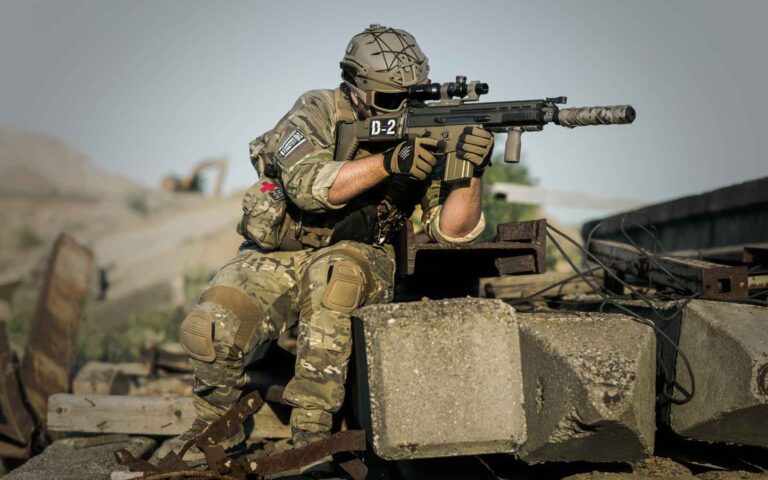
Preparing Your Suburban Home & Family for World War III: A Cautious Guide
As an American suburban homeowner and a person highly committed to ensuring the safety of my family, I’ve always believed in the importance of embracing accurate knowledge and practical skills to face critical situations. Given the increasing global tensions amidst various socio-political scenarios, it’s justifiable to be prepared for the worst, even if that worst-case scenario includes another World War – God forbid!
DISCLAIMER: I don’t want to come off as an alarmist or someone peddling fear; instead, I believe in adopting a proactive rather than reactive approach to potential emergencies. What follows is a basic guide, meant to arouse discussions and provoke introspection in light of a hypothetical, yet potentially catastrophic event like World War III.
- Sustainable Homestead: The idea behind sustainable homesteading is making your property self-sufficient for food, water, and energy. Start growing a vegetable garden, if you don’t already have one. Consider raising livestock. Easy-to-raise backyard animals could be chickens or rabbits. Install solar panels or a simple wind turbine to reduce your off-grid dependency. An independent water source like a well or rainwater harvesting system guarantees a reliable supply of water.
- Safe Rooms: Having a fortified safe room in your home becomes crucial in the event of any disaster. It should be equipped with basic amenities like ventilation, lighting, and a sanitation system. Your safety zone should have necessary items such as first aid kits, canned food and water supplies, basic hygiene supplies, important documents, maps, a battery-operated or hand-crank radio, and essential medicines.
- Sturdy Shelter: In case of potential nuclear or biological warfare, a fallout shelter is a must. A well-built, well-stocked fallout shelter can protect you against prolonged exposure to harmful nuclear radiation. Additionally, keep gas masks and hazmat suits handy for protection from chemical and biological weapons.
- Communication System: Your contingency plan should include a robust communication protocol like hand-crank radios, battery-operated walkie-talkies, ham radio setup for long-distance communications, even if the cell phone towers are disabled.
- Self-defense: While I’m not advocating for extremes, self-protection becomes unavoidably important. A well-secured home with effective security systems is a must. Firearms may provide a sense of security, but they should be kept responsibly – out of reach of children, for those trained in their usage. Non-lethal alternatives, such as pepper spray or alarms, are worth consideration.
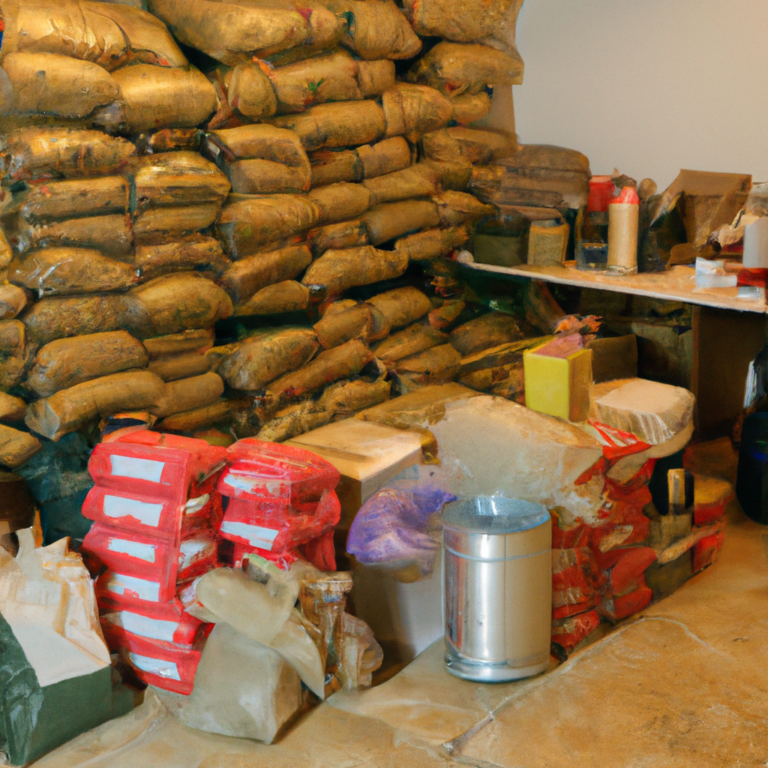
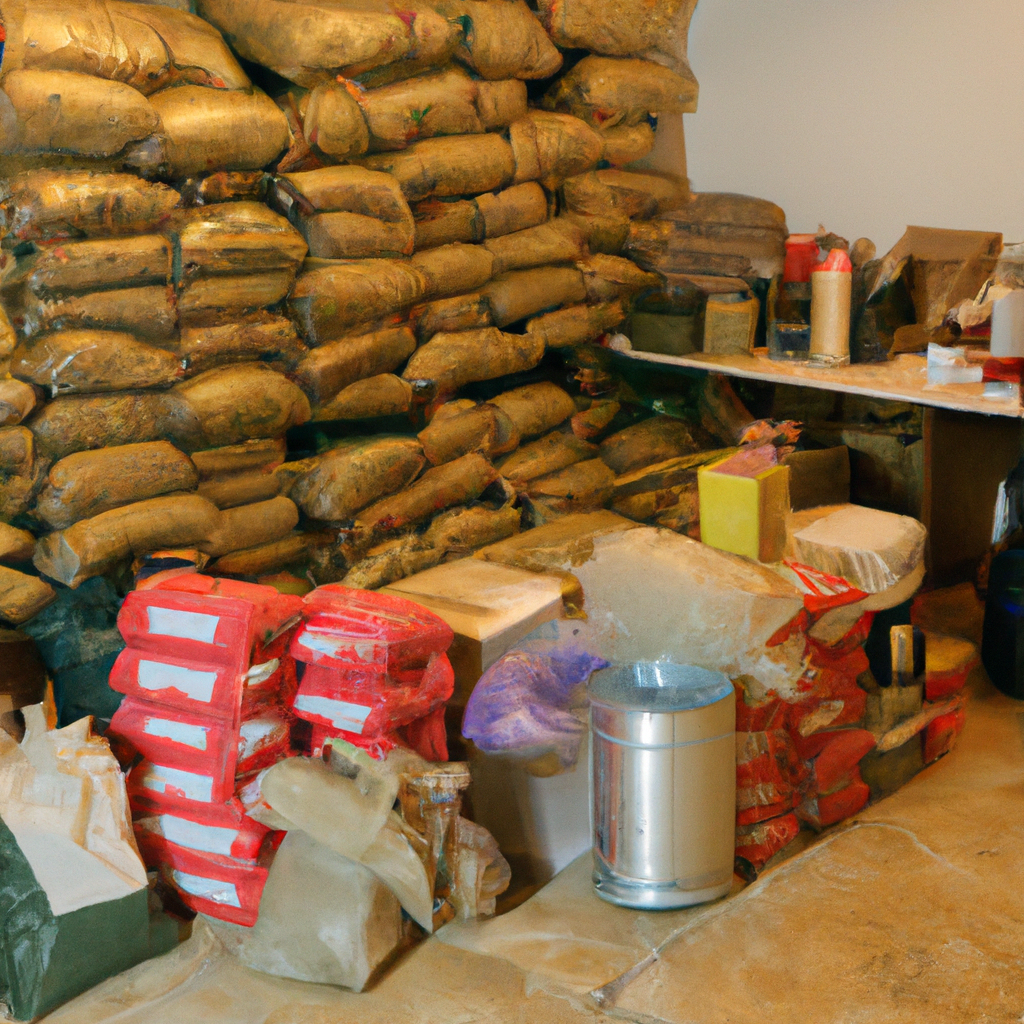
- Stockpile Essentials: Having a well-stocked pantry with long shelf-life foods, water filters, fuel supplies, hygiene products, an appropriate stock of medication, and other essential goods is key to survival in an extended crisis situation.
- Knowledge and Skills: Keep yourself informed about global events and their implications. Knowledge about basic survival skills, first aid, fire safety, nuclear, biological, and chemical emergencies, would be vital. Reading survival literature, practicing mock drills with your family, and participating in preparedness courses are all worthwhile endeavors.
- Mental Preparedness: The most overlooked but crucial factor! Encourage family discussions around potential scenarios, foster a positive problem-solving mindset, practice mindfulness exercises, and consider therapy or counseling to deal with anxiety or stress related to emergencies.
The goal isn’t to exhaust all possible preparation steps but to start a critical dialogue in households across America about the importance of being prepared. It’s no longer “it can’t happen here”. Given the agitated nature of international relations, we need to shed complacency.
Remember, hope for the best, but prepare for the worst. It’s about time we become serious about taking proactive steps to ensure our households can withstand a significant crisis. Hopefully, this post serves as a starting point for in-depth, informed home and family preparation discussions. Stay safe!
Regards,
A Nervous Suburban Homeowner
About the Author