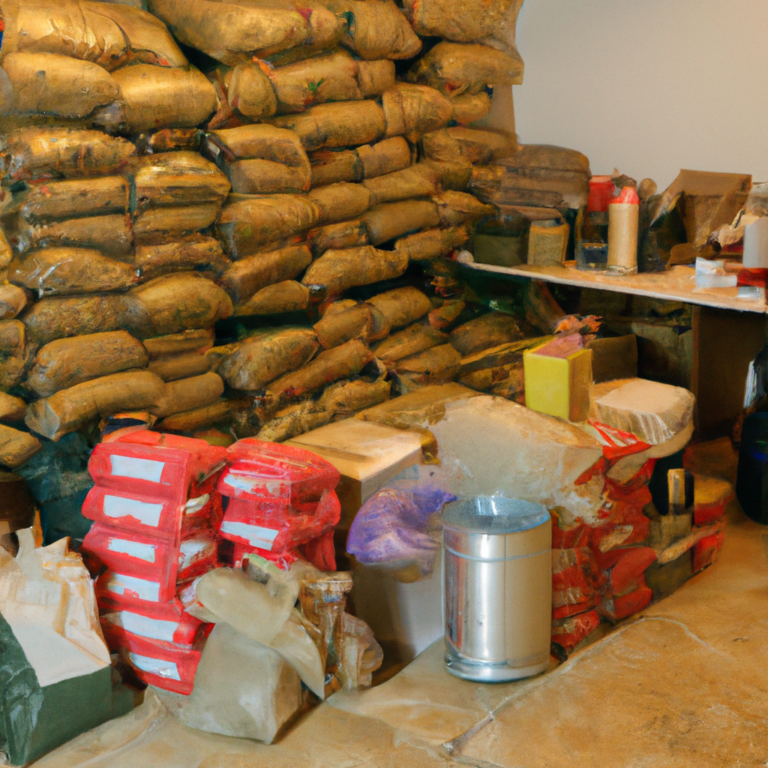
As we enter our golden years, it’s more important than ever to be prepared for any unexpected events, especially natural disasters or emergencies. Being prepared can make a significant difference in our safety and well-being, allowing us to navigate challenging situations with greater confidence and resilience. This guide offers practical advice to help you get started.
Start by creating a comprehensive emergency plan. This should include evacuation routes, meeting points for family members, and contact information for loved ones and emergency services. Consider any specific needs you or your family members may have, such as medical conditions or mobility limitations, and incorporate these into your plan. A well-defined plan will provide a roadmap for action during a crisis.
Assemble an emergency kit tailored to your needs. Include essential items such as a first-aid kit, medications, non-perishable food, water, a battery-powered radio, flashlights, and extra batteries. Don’t forget important documents like insurance policies, medical records, and identification. Keep your kit easily accessible and review its contents regularly to ensure everything is up-to-date.
Staying informed is crucial during an emergency. Consider investing in a weather radio and sign up for emergency alerts from your local authorities. Knowing what’s happening will allow you to make informed decisions and take appropriate action to protect yourself and your loved ones. Familiarize yourself with different types of emergencies common in your area and understand the recommended safety procedures.
Communication is key in any emergency situation. Establish a communication plan with your family members, including designated contact persons outside your immediate area. Consider alternative communication methods, such as text messaging or social media, in case traditional phone lines are down. Having a reliable communication plan will help you stay connected and coordinate efforts during a crisis.
Preparing for the unexpected is an investment in your peace of mind. By taking proactive steps to develop an emergency plan, assemble a kit, and stay informed, you can face any challenge with greater confidence and resilience. Remember, being prepared is not just about surviving; it’s about ensuring your comfort and well-being during difficult times.
What to Gather, Prepare & Know Before It’s Too Late
When disaster strikes, being prepared isn’t just smart—it’s essential. For Baby Boomers, whether you’re an active retiree, a caregiving couple, or living solo, planning ahead can mean the difference between chaos and calm. Natural disasters like wildfires, earthquakes, storms, and floods are becoming more common and unpredictable, especially in regions like the earthquake-prone West Coast, Tornado Alley in the Midwest or the hurricane zones of the East and South Coasts.
Here’s a practical guide tailored for Boomers on what to have ready, how to plan smart, and how to ensure your safety and peace of mind in any emergency.
Basic Emergency Supplies
Keep a 3-week supply of the following in an easy-to-carry tote or bin:
- Bottled water (1 gallon per person per day)
- Canned and freeze-dried food (with manual can opener)
- Flashlights + extra batteries
- Solar or crank-powered radio
- First-aid kit (bandages, antiseptics, tweezers, etc.)
- Whistle (to signal for help)
- Face masks (N95 or KN95 preferred)
- Wet wipes & hand sanitizer
- Garbage bags + ties
- Fire extinguisher
- Emergency blanket & sleeping bag
Medical Essentials
Have a dedicated medical kit that includes:
- 30+ day supply of prescription meds
- Extra eyeglasses, hearing aid batteries
- Pain relievers, antacids, and cold meds
- Medical information list (conditions, allergies, prescriptions)
- Medical alert bracelet if needed
Vital Documents (Stored in Waterproof Bag)
Make copies of and store these in your go-kit and digitally (on a USB or encrypted cloud account):
- Government-issued ID
- Health card
- Prescription list
- Insurance policies (home, car, health)
- Power of attorney and/or living will
- Emergency contact list (printed and digital)
Clothing & Personal Care
Pack for weather and comfort:
- 2 changes of warm, layered clothing
- Comfortable walking shoes
- Rain poncho or jacket
- Toiletries (toothbrush, toothpaste, soap, comb)
- Towels and washcloths
- Adult diapers or hygiene products if needed
Power & Communication
Power may go out—plan to stay connected:
- Battery bank (power pack) for phones
- Car charger adapter
- List of emergency contacts taped to your phone
- AM/FM emergency radio with NOAA weather band
- Backup flip phone (charged with prepaid minutes)
If You Have Pets
Don’t leave them behind—include:
- Food and water bowls
- Pet food (2-week supply)
- Leash/harness
- Carrier
- Medications and vaccine records
Planning & Checklists
Create a personal emergency plan:
- Know your local evacuation routes
- Pre-arrange a meeting point with family or neighbors
- Join a local phone tree or neighborhood group
- Practice turning off water, gas, and electricity
Special Considerations for Aging Adults
- Canes, walkers, wheelchairs—have backups or alternatives
- Label your gear and bags clearly
- Keep emergency numbers by the phone
- Let a neighbor know where your supplies are kept
Final Advice for Boomers
- Don’t wait for the alert to get ready—build your kit over time.
- Rotate food and water every 6–12 months.
- Stay informed: follow local alerts on radio or your city’s emergency text system.
- Talk it through with your kids, grandkids, or neighbors—discuss your plan and how they can help if needed.
Being ready is the ultimate form of independence. Disaster preparedness isn’t about fear—it’s about peace of mind. As a Baby Boomer, you’ve seen a lot in your lifetime. Add “well-prepared” to the list and take care of your future self with smart planning today.
About the Author